
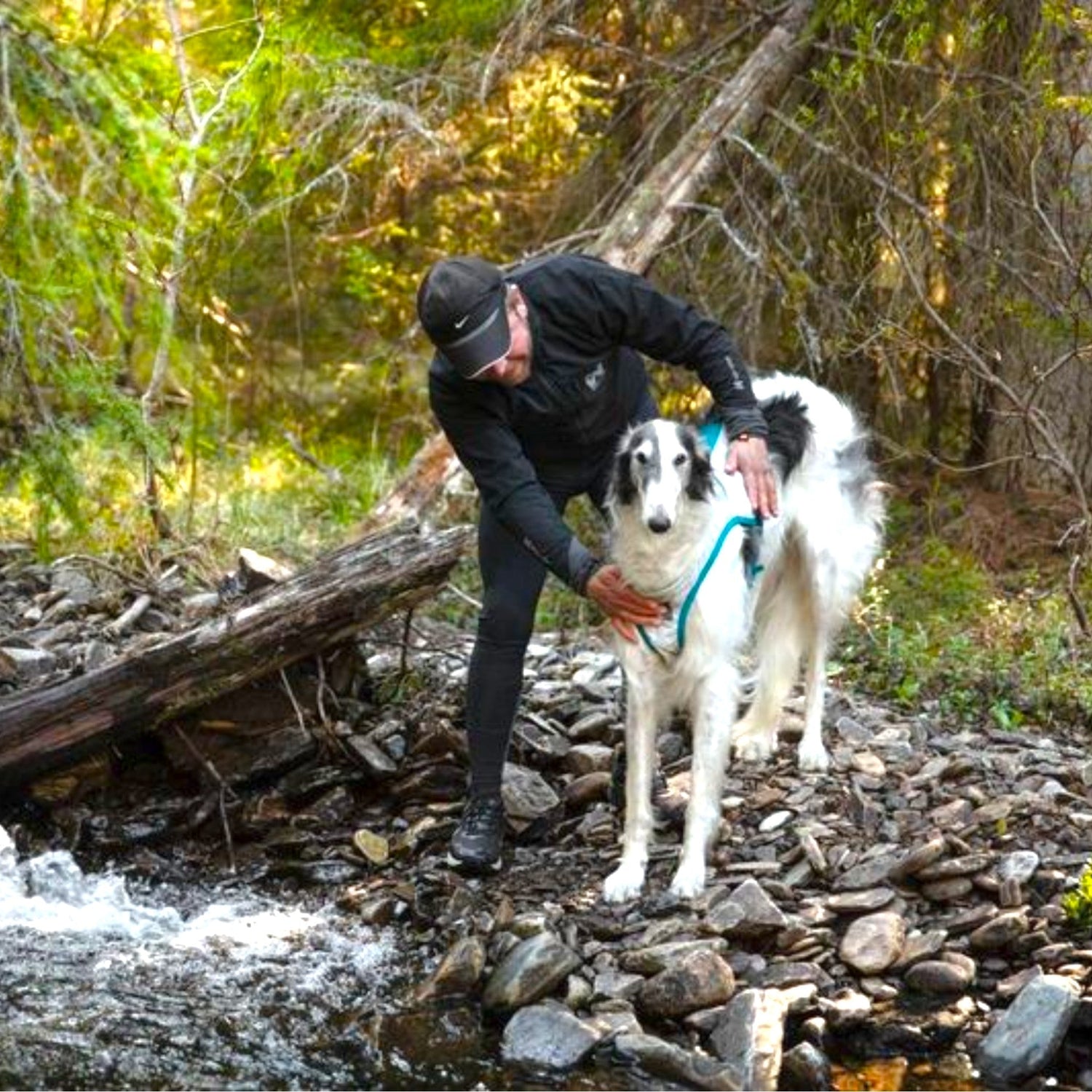
Hot weather can place dogs at serious risk of overheating and heat-related illness. This guide covers practical ways to help keep your dog comfortable in warm weather, the signs of heatstroke to watch for, and some cooling products available from Wiggle and Wag.
Why Hot Weather Is Dangerous for Dogs
Dogs do not cool themselves as efficiently as people. They mainly regulate their body temperature through panting, with only limited sweating through their paw pads. In hot or humid conditions, they can struggle to lose heat quickly enough and may develop heat-related illness or heatstroke.
Some dogs are at greater risk, including flat-faced (brachycephalic) breeds, older dogs, puppies, overweight dogs, dogs with thick coats and dogs with certain heart, lung or breathing conditions. However, any dog can overheat in hot weather.
Recognising the Signs of Heatstroke
Heatstroke can become serious very quickly. Signs can include:
- Heavy or excessive panting
- Fast or difficult breathing
- Excessive drooling
- Bright red or very pale gums
- Weakness or lethargy
- Restlessness or confusion
- Poor coordination or stumbling
- Vomiting or diarrhoea
- Collapse
- Seizures or loss of consciousness
If you suspect heatstroke, stop exercise immediately, move your dog away from the heat and begin cooling them straight away.
Pour water that is cooler than the dog's body temperature over the body, avoiding the nose and mouth, and create airflow with a fan, air conditioning or open windows where possible. If your dog is conscious and comfortable around water, immersion in cool water may also be appropriate.
Contact your vet urgently and arrange veterinary treatment. Continue cooling your dog during transport where possible in a cool, well-ventilated vehicle.
Walking Dogs in Hot Weather
During warm weather, exercise should be adjusted to the conditions. Early morning and late evening are generally the safest times to walk, when temperatures and ground surfaces are cooler.
On particularly hot days, it may be safer to reduce the length of walks or skip them altogether and provide enrichment at home instead.
Before walking on tarmac or another hard surface, use the five-second tarmac test: place the palm of your hand against the surface for five seconds. If it feels too hot for you, it is too hot for your dog's paws.
- Walk during the cooler parts of the day
- Avoid the hottest part of the day
- Keep walks shorter when temperatures rise
- Choose shaded routes where possible
- Carry fresh water for your dog
- Choose grass or shaded paths rather than hot tarmac where possible
- Skip the walk if conditions are simply too hot
Hydration: Keep Fresh Water Available
Dogs should always have access to fresh drinking water, especially during warm weather.
- Refresh water bowls regularly throughout the day
- Place additional bowls around the home or garden if useful
- Carry water and a portable bowl when you are out
- Offer water regularly during longer outings
- Add ice cubes to drinking water if your dog enjoys them
Creating a Cooler Environment at Home
Homes can become very warm during prolonged hot weather. Help your dog find comfortable places to rest by reducing heat indoors wherever possible.
- Keep curtains or blinds closed where direct sunlight heats the room
- Provide good ventilation and airflow
- Give your dog access to cooler flooring and shaded areas
- Use fans where appropriate to improve airflow
- Never leave your dog in a parked car, conservatory, caravan or other enclosed hot space
- Provide reliable access to shade and fresh water in the garden
- Offer a paddling pool or water play if your dog enjoys water
Cooling Products for Dogs
Cooling products can form part of a sensible hot-weather routine. They should be used alongside shade, fresh water, reduced exercise and careful monitoring of your dog rather than as a substitute for these basic precautions.
Self-Cooling Dog Mat
A pressure-activated cooling mat can provide a cooler surface for dogs to rest on without needing water, refrigeration or electricity. Cooling mats can be useful indoors, while travelling or in shaded outdoor areas.
George Barclay ClimaCOOL Dog Cooling Jacket
The George Barclay ClimaCOOL Dog Cooling Jacket uses evaporative cooling. It is soaked in water, wrung out and then worn by the dog to help provide cooling during warm-weather activity.
Shop the George Barclay ClimaCOOL Dog Cooling Jacket.
Ruffwear Swamp Cooler Zip™ Cooling Dog Vest
The Ruffwear Swamp Cooler Zip™ uses an evaporative cooling design for warm-weather walks and outdoor activities. The vest is wetted before use so evaporation can help draw heat away from the dog's body.
Explore the Ruffwear Swamp Cooler Zip™ Cooling Dog Vest.
Non-stop dogwear Cooling Vest
The Non-stop dogwear Cooling Vest is designed for active dogs and uses evaporative cooling. It is wetted before use and designed to provide coverage while allowing the dog to move freely.
Shop the Non-stop dogwear Cooling Vest.
Garden Safety in Hot Weather
The garden can become extremely hot during a heatwave, particularly where there is little natural shade.
- Always provide access to shade
- Make sure fresh drinking water is continuously available
- Avoid leaving your dog outside unsupervised in high temperatures
- Check that paddling pools and other water features are safe and accessible
- Be aware that patios, paving, decking and artificial grass can become extremely hot
Grooming in Hot Weather
Regular grooming can help remove loose or dead hair and keep the coat in good condition during warmer weather.
- Brush your dog regularly to remove loose coat
- Speak to a professional groomer before making significant changes to your dog's coat
- Check paws and pads regularly, particularly after walking on warm or rough surfaces
A Quick Hot-Weather Checklist
- Walk during the cooler parts of the day
- Skip walks altogether when conditions are too hot
- Use the five-second tarmac test before walking on hard surfaces
- Keep fresh drinking water available at all times
- Provide shaded, cool resting areas
- Reduce exercise as temperatures rise
- Never leave your dog in a parked vehicle
- Know the signs of heatstroke
- Keep your vet's contact details readily available
If you are concerned that your dog may be overheating or showing signs of heatstroke, begin cooling them immediately and contact your vet. For warm-weather dog gear, browse the Wiggle and Wag collection.